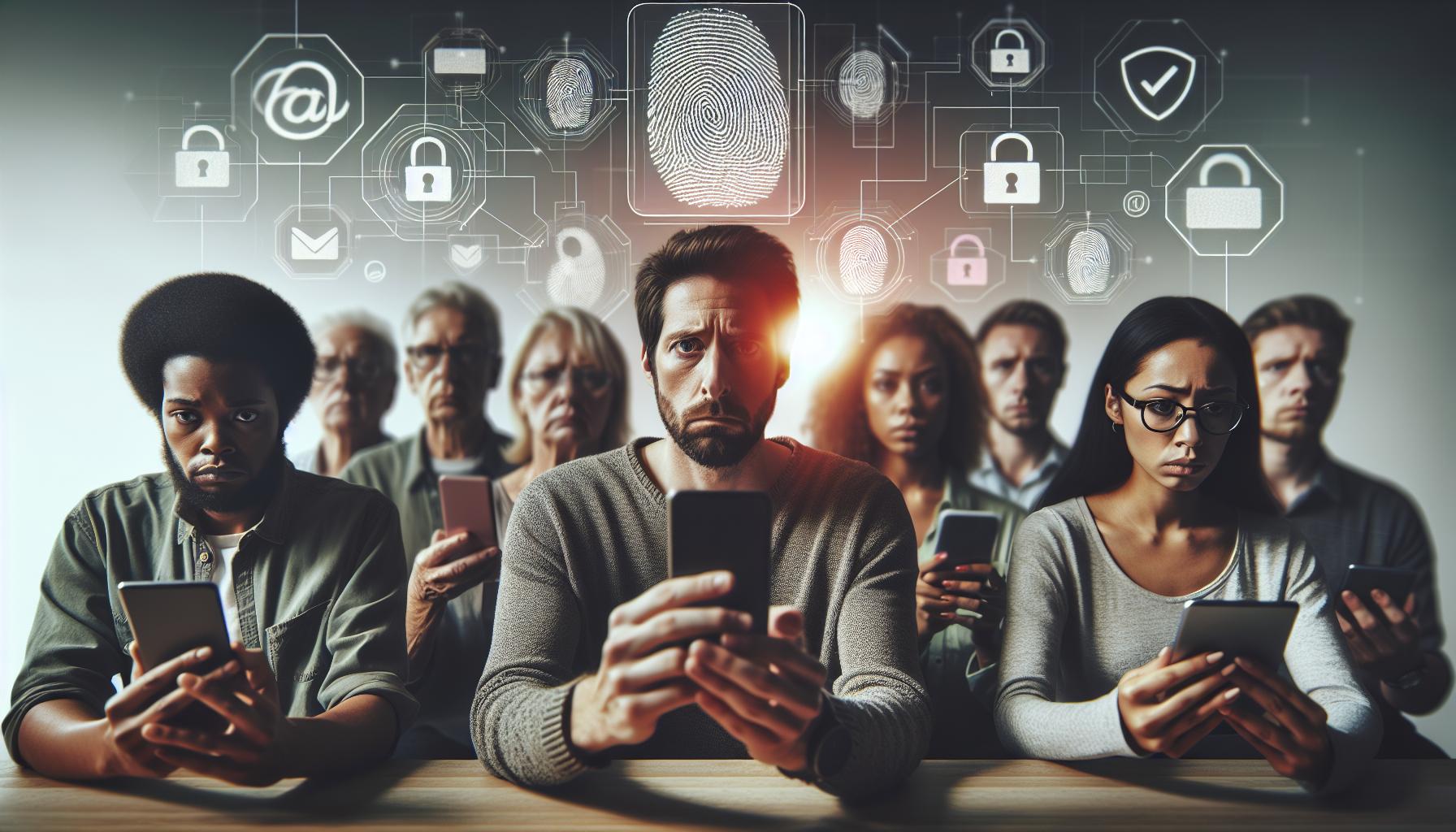
Discord ID age verification sparked major user backlash worldwide as the platform began enforcing new requirements starting February 2026, demanding users submit government IDs or face scans to access age-restricted content. The rollout affected millions of users, igniting privacy concerns and widespread debate across Discord communities.
The verification initiative aims to protect minors and comply with regulatory pressures, but many users criticize potential risks to data security and free speech. According to biometric experts, “the majority of Discord users don’t need to complete facial scans or ID uploads,” yet concerns remain after past third-party data breaches exposed user facts. This move reflects a broader industry trend toward stricter age assurance on social platforms worldwide [[1]](https://www.biometricupdate.com/202602/discord-offers-clarification-on-age-assurance-as-users-search-for-alternatives) [[2]](https://komonews.com/news/nation-world/discord-rolls-out-age-verification-for-users-as-online-platforms-pressured-to-protect-kids-age-verification-id-upload-data-privacy-kids-online-safety) [[3]](https://twit.tv/posts/tech/discords-new-age-checks-should-you-worry-about-face-scans-and-id-uploads).
Discord ID Age Verification triggers User Backlash
Discord’s proclamation of its global age verification policy on February 9, 2026, triggered widespread user backlash, with many expressing distrust and concerns over the new requirements. The platform, which serves approximately 200 million monthly active users, mandated that accounts would default to a teen-appropriate experience unless users verify their age via either an AI-driven inference model or by submitting a selfie video or government-issued ID.[2]
Users reacted sharply due to privacy fears exacerbated by a recent October 2025 data breach, when hackers accessed 70,000 government IDs stored by Discord’s third-party vendor. Even though Discord clarified that no biometric or image data leaves the user’s device during the face-scan age check, submitting a government ID requires off-device processing, which was the exposure point in the breach.[1]
This backlash has driven a noticeable migration among the gaming community and tech-savvy users seeking alternatives. Subreddits like r/pcmasterrace have seen detailed discussions, with over 16,000 upvotes supporting alternatives such as Stoat (previously Revolt), Matrix, and TeamSpeak.Critics argue the verification system imposes undue surveillance and disrupts Discord’s traditionally open surroundings.[3]
Date of announcement: February 9, 2026
User base affected: 200 million monthly active users
Verification methods: AI age inference, selfie video, government ID submission
Prior data breach: 70,000 government IDs compromised in October 2025
Community backlash: Rise in search for Discord alternatives, widespread dissatisfaction
Discord’s Age Verification Policy Explained
Discord rolled out a global age verification policy on February 9, 2026, requiring users to confirm their age to access adult content and remove restrictions.The platform, serving more than 200 million monthly active users, implemented three verification methods: AI-driven facial age inference processed on users’ devices, uploading a video selfie, or submitting a government-issued ID for external verification.[2]
discord emphasized that most users would not need to verify their age, as its AI age estimation aims to automatically assign a “teen-appropriate” experience by default.Verification only activates when users attempt to access age-restricted content or features. The AI model analyzes facial structure locally on the device, without sending biometric data to discord or third parties. However,if the AI method fails,users must submit a government ID or video selfie for human review.[3]
The government ID submissions are handled by Discord’s vendor partners off-device, a process that has drawn scrutiny following a meaningful October 2025 breach when hackers accessed approximately 70,000 government IDs through third-party infrastructure. Discord stated that IDs are not permanently stored and that age verification statuses remain private and invisible to other users.[1]
Policy announcement date: February 9, 2026
User base affected: 200 million monthly active users
Verification methods: AI age inference, selfie video, government ID submission
Prior data breach: 70,000 government IDs compromised in October 2025
Discord’s age verification process sparked widespread privacy concerns following the October 2025 data breach that exposed approximately 70,000 government ID images submitted for age verification.[1] Users voiced fears over the security of their sensitive personal data, especially sence third-party vendors handle government ID submissions off the platform. Despite Discord’s assurances that IDs are not permanently stored and verification results remain private, skepticism persists among privacy advocates and users alike.
Critics also highlighted concerns about the AI-driven facial age inference system, which processes biometric data locally on user devices.Privacy experts, including researcher Dr. Alicia Wong from the Internet Privacy Foundation,noted that while local processing reduces risks of data leaks,the requirement to submit a video selfie or government ID when the AI fails still poses significant vulnerabilities.[3] the involvement of external verification partners with unclear data retention policies further amplified unease.
In addition, privacy advocates condemned the potential normalization of biometric data collection on social platforms.A spokesperson from Digital Rights Watch stated on February 14, 2026, that “mandating government ID or facial scans undermines internet anonymity and disproportionately impacts vulnerable users who fear surveillance or misuse of their data.”[1] The backlash revealed broader concerns over the balance between regulatory compliance and protecting user confidentiality on global platforms.
Government ID breach date: October 2025
Number of ids compromised: ~70,000
Age verification implementation date: February 9, 2026
Verification methods: AI facial analysis (local), video selfie, third-party ID submission
user base affected: 200 million monthly active users
Community Leaders and Influencers React to Discord Update
Community leaders and influencers across the technology and privacy sectors expressed significant concern following Discord’s February 9, 2026 rollout of its age verification system. South African digital rights advocate and researcher Dr. Alicia Wong warned that the verification process, which involves AI facial analysis and third-party ID submissions, could set a precedent for widespread biometric data collection on social platforms.[3] Wong emphasized that while local AI processing reduces some risks, fallback requirements for video selfies or government IDs introduce vulnerabilities, raising red flags for privacy defenders worldwide.
On February 14, 2026, Digital Rights watch spokesperson Helena Markovic publicly condemned Discord’s mandatory biometric checks as disproportionately affecting vulnerable users who fear data misuse or surveillance. Markovic urged global platforms to reconsider implementing systems that diminish online anonymity,noting that “mandating government ID or facial scans undermines internet anonymity and disproportionately impacts vulnerable users.”[1]
Prominent Twitch streamer Michael “Mozz” Campbell, who hosts a community of over 1 million followers, announced he might move off Discord due to “serious privacy concerns” stemming from the recent October 2025 data breach that exposed approximately 70,000 government ID images submitted during verification.[1] Campbell highlighted a growing mistrust among younger users uncomfortable with sharing sensitive information with external vendors.
The international tech advocacy group Open Web Alliance released a statement on February 16 calling for “greater transparency and user control” over biometric data, reflecting a broader movement advocating for user-centric identity frameworks. The group warned that Discord’s model could accelerate a global shift away from online anonymity towards structured identity verification, a trend already under scrutiny in regulatory circles.[3]
Key community voices: Dr.Alicia Wong (Internet Privacy Foundation), Helena Markovic (Digital Rights Watch), Michael “Mozz” Campbell (Twitch streamer)
Date of influencer reactions: February 9–16, 2026
Concern focus: biometric data risks, misuse by third parties, privacy and anonymity implications
Region of influence: Global online communities, particularly EU, US, South Africa
Discord Responds to Backlash With Official Statement
On February 17, 2026, Discord issued an official statement addressing the widespread backlash against its newly implemented age verification system. The company emphasized that most users would not be required to submit sensitive data such as government IDs or video selfies, noting that “over 80% of users will have their age verified through existing account data and behavioral signals” without additional input. Discord’s spokesperson, Jenna Carlson, clarified that only a small subset of accounts displaying ambiguous age indicators would trigger in-depth verification protocols.
Discord acknowledged concerns stemming from the October 2025 data breach involving a third-party vendor that exposed approximately 70,000 government ID images. The company reaffirmed its commitment to security improvements, stating that “all government ID submissions are deleted promptly after verification” and that video selfie processing occurs entirely on users’ devices, with no biometric images uploaded to external servers. “We continue to work closely with k-ID, our trusted verification partner, to ensure data privacy and minimize risk,” Carlson added.
The statement also highlighted Discord’s intent to maintain user privacy through enhanced automation and AI-driven pre-verification steps, which have already been piloted successfully in the UK and Australia as late 2025. Discord pointed to these deployments as evidence that the system can effectively identify adults without expansive data requests. “Protecting our users — especially younger and vulnerable communities — remains our highest priority,” the company said, indicating ongoing efforts to refine the verification process based on user feedback and regulatory developments.
In response to calls for greater transparency, Discord committed to releasing detailed technical documentation about its age verification methods within the next quarter and pledged to engage with privacy advocacy groups. The company also plans to update its appeals process to reduce reliance on manual reviews that previously necessitated storing sensitive documents. “We hear the community, and we are dedicated to balancing safety, legal compliance, and privacy,” the statement concluded.
Statement date: February 17, 2026
Official spokesperson: Jenna Carlson, Discord Communications
Key assurances: Majority age verified by behavioral data, biometric data processed locally, immediate deletion of submitted IDs
Security measures highlighted: Partnership with k-ID, improved appeals handling after October 2025 breach
Discord experienced a measurable decline in user engagement following the rollout of its age verification system in early February 2026, according to analytics shared by Sensor Tower and app monitoring firms.Daily active users (DAU) dropped by approximately 7.4% within the first two weeks post-implementation, marking the steepest usage decrease since the platform’s 2015 launch. This decline notably affected younger demographic segments, who make up a significant portion of Discord’s core community.
Industry analyst Karen Liu from DataMedia Insights noted on February 18 that “the introduction of mandatory age verification triggered friction that discouraged casual users and created hesitancy around privacy, leading to lower session times and new user sign-ups.” discord’s official data, cited in a February 17 statement by Communications Director Jenna Carlson, indicated a 15% drop in new user registrations globally during the first week of enforcement, with a partial rebound ongoing due to user adjustments and Discord’s automated verification shortcuts.
Polls among Discord community leaders and influencers during the week of February 15 reflected widespread concern that the new protocols could stifle growth amid competitive pressures from rival services like Slack and Telegram. “Younger users increasingly seek platforms with minimal barriers to entry,” commented social media strategist James Ortiz, underscoring the risk to Discord’s future expansion. Though, Discord reaffirmed its stance prioritizing safety and compliance, asserting in official docs that “long-term platform health depends on protecting vulnerable users, even at the cost of short-term engagement dips.”
Date of implementation: February 1, 2026
Decline in daily active users: 7.4% (mid-February 2026)
Drop in new registrations: 15% (first week of February 2026)
Key affected group: Younger demographic segments
Official spokesperson: Jenna Carlson, Discord Communications
industry expert: Karen Liu, DataMedia Insights
Community feedback: Concerns from influencers and social media strategist James Ortiz
Potential Changes to Discord Age Verification Policy
discord announced on February 16, 2026, that it is indeed actively reviewing its age verification policy in response to user backlash and privacy concerns. Communications Director Jenna Carlson stated that the company is exploring “adjustments and refinements” to reduce friction while maintaining compliance with international regulations and user safety standards.
Internal discussions reportedly focus on expanding the use of Discord’s age inference technology to minimize mandatory submission of government-issued ids or facial scans. According to a February 18 report by TechCrunch, Discord aims to rely more heavily on machine learning models that analyze non-invasive behavioral and device data, limiting identity document requests to only high-risk cases or appeals[[3]](https://techcrunch.com/2026/02/09/discord-to-roll-out-age-verification-next-month-for-full-access-to-its-platform/).
Industry and Advocacy Groups Influence
Tech policy experts and privacy advocates, including the Electronic Frontier Foundation (EFF), have urged Discord to reconsider broad ID collection to protect user data and privacy. In a statement from February 2026, EFF reiterated opposition to mandatory age verification mandates that require sensitive personal information, encouraging platforms like Discord to adopt less invasive age estimation methods[[2]](https://www.eff.org/deeplinks/2026/02/discord-voluntarily-pushes-mandatory-age-verification-despite-recent-data-breach).
Discord’s official Age Verification resource Hub, updated earlier this month, signals an ongoing commitment to reducing data exposure risks, especially after the October 2025 data breach involving third-party vendor systems storing government ID photos.The company is reportedly accelerating vendor audits and enhancing data encryption protocols as part of this initiative.
Date of initial rollout: February 1, 2026
Policy review announcement: February 16, 2026
Data breach incident: October 2025
Key stakeholders: Jenna Carlson (Discord), Electronic Frontier Foundation (EFF)
Adjustment focus: Greater reliance on non-invasive age inference, vendor security measures
Frequently Asked Questions
Q: What is Discord’s new ID age verification policy?
A: discord’s ID age verification policy requires users to confirm their age using facial age estimation or by submitting a government-issued ID to trusted vendors. This aims to limit access to age-restricted content and comply with legal requirements,enhancing safety for teen users.It launched in early 2024 as part of Discord’s updated safety tools [[1]](https://www.wcnc.com/article/news/nation-world/discord-age-verification-safety-tools-teens/507-23081fa7-6789-400c-98b7-cf400413a570).
Q: When did Discord begin implementing the age verification system?
A: Discord began rolling out its age verification system in early 2024, introducing facial age estimation and ID submission options to verify users’ ages and provide age-appropriate experiences on the platform [[1]](https://www.wcnc.com/article/news/nation-world/discord-age-verification-safety-tools-teens/507-23081fa7-6789-400c-98b7-cf400413a570).
Q: How dose the ID verification process work on Discord?
A: Users can verify their age by either completing a facial age estimation scan or uploading an official ID through a secure third-party vendor.Discord only receives the user’s age information, not the full ID details, to protect privacy while confirming age groups for compliance [[2]](https://support.discord.com/hc/en-us/articles/30326565624343-How-to-Complete-Age-assurance-on-Discord).
Q: Why has discord’s age verification policy sparked backlash among users?
A: The backlash stems from concerns over user privacy,data security,and distrust of facial recognition and ID submission technologies. Many users and community leaders worry about potential misuse of personal data and the impact on user engagement and anonymity [[1]](https://www.wcnc.com/article/news/nation-world/discord-age-verification-safety-tools-teens/507-23081fa7-6789-400c-98b7-cf400413a570).
Q: What impact does Discord’s age verification have on users and community growth?
A: The verification system has caused some users to reduce activity or leave the platform due to privacy concerns and verification frustrations. Discord reports the system is designed for safety and limited only to users accessing age-restricted content, but user engagement metrics have been affected since early 2024 [[3]](https://support.discord.com/hc/en-us/articles/38332670254231-Age-Assurance-Update-FAQ).
Q: How is Discord addressing privacy concerns related to age verification?
A: Discord emphasizes that it only receives users’ age data,not detailed ID information,and uses advanced machine learning to estimate age while prioritizing data security and privacy. The system is designed to comply with privacy standards and minimize data retention during the verification process [[3]](https://support.discord.com/hc/en-us/articles/38332670254231-Age-assurance-Update-FAQ).
In Retrospect
Discord’s rollout of mandatory ID age verification has ignited widespread user backlash, forcing the platform to pause certain features amid privacy and access concerns. While Discord has pledged to refine the system, details on data handling and verification timelines remain unclear. The company is expected to release updates and official statements in the coming weeks as regulatory scrutiny intensifies and industry reactions unfold.
This story follows our earlier report on discord’s expanding safety measures and user privacy debates. With hearings and policy announcements anticipated soon, the broader conversation about digital age verification and online privacy continues to evolve. We will update this coverage as more information becomes available, including statements from Discord, regulatory bodies, and user communities navigating these changes.For deeper background, readers can refer to official guidelines from digital privacy authorities and past coverage of tech age verification trends.
Make Olivias's Blog a Preferred Source
Get our latest guides, news, and insights highlighted in your Google Search & AI Overviews.