Join me as we explore the intriguing case of Nellie Bly’s encounter with leeches in the name of medical science. This often overlooked chapter in the life of the renowned investigative journalist sheds light on a fascinating medical mystery that has remained untold. Let’s delve into the story of how Nellie Bly bravely faced this unconventional treatment and the lasting impact it had on the field of medicine.
Nellie Bly’s Bold Experiment: Infiltrating the World of 19th Century Medicine
Nellie Bly’s foray into the world of 19th-century medicine was nothing short of revolutionary. As a pioneering investigative journalist, she fearlessly navigated the murky waters of the medical field, shining a light on the often overlooked and misunderstood practices of the time.
One of Bly’s most daring adventures took her into the realm of bloodletting, a common medical treatment in the 1800s. Venturing into a world of leeches and lancets, she observed firsthand the brutal and sometimes ineffective methods used by physicians to treat various ailments.
Despite the risks, Nellie Bly remained undaunted, documenting her experiences with a keen eye and unwavering determination. Her bold experiment serves as a testament to her unwavering commitment to truth and uncovering the realities of 19th-century medicine.
Through her groundbreaking work, Nellie Bly challenged the status quo and paved the way for future generations of journalists and medical professionals to push boundaries and seek out the truth, no matter how uncomfortable or daunting the journey may be.
The Fascinating Use of Leeches in Historical Medical Treatments
Imagine being transported back in time to the late 19th century when medical treatments were drastically different from what we know today. One particular medical mystery involves the pioneering journalist Nellie Bly and her encounter with the fascinating use of leeches.
During a daring undercover investigation into the conditions of mental asylums, Nellie Bly found herself in need of medical attention. Little did she know that leeches would be part of her treatment regimen. Leech therapy, known as hirudotherapy, was a common practice in the 1800s and was believed to help balance the body’s humors.
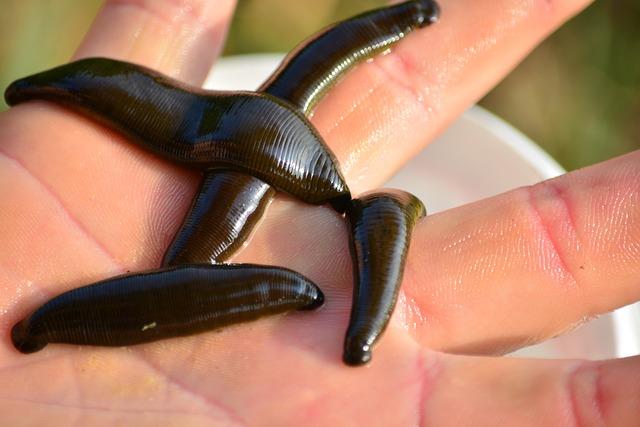
Leeches have a long history in medicine, dating back thousands of years. They were used for various ailments, from headaches to skin diseases. The secretions from leech bites were believed to have healing properties, making them a valuable tool in the medical arsenal of the past.
Although the use of leeches may seem archaic by today’s standards, it is a fascinating reminder of the evolving nature of medical treatments throughout history. Nellie Bly’s encounter with leech therapy serves as a reminder of the unconventional methods employed by medical professionals in the past.
Unraveling the Mystery: Nellie Bly’s Encounter with Leech Therapy
During her groundbreaking journalistic career, Nellie Bly encountered many fascinating stories, but one of the most intriguing and unconventional was her experience with leech therapy. Leeches, often associated with medieval medicine, were used in the 19th century for various ailments and conditions.
When Nellie Bly first decided to undergo leech therapy, it sparked curiosity and intrigue among her readers. The treatment, which involved placing medicinal leeches on her skin to draw out “bad blood,” was considered controversial yet effective in certain medical circles at the time.
As Nellie documented her encounter with leech therapy, she shed light on the historical practice and its potential benefits. Despite the unconventional nature of the treatment, she approached it with an open mind and a willingness to explore alternative healing methods.
Ultimately, Nellie Bly’s experience with leech therapy serves as a reminder of the ever-evolving nature of medical practices and the importance of exploring different perspectives in the journey towards understanding health and wellness.
Exploring the Efficacy of Leeches in Modern Medicine
Throughout history, leeches have played a significant role in medical practices. From ancient civilizations to modern medicine, these creatures have been used for various purposes, including bloodletting and wound healing. But what is the efficacy of leeches in modern medicine? Let’s delve into the subject and explore the untold medical mystery of Nellie Bly with the leeches.
One of the key uses of leeches in modern medicine is in microsurgery. **Leeches are often used to promote blood flow and prevent blood clots in reattached body parts**. Their saliva contains a mix of enzymes that have anticoagulant and vasodilatory properties, making them essential in surgical procedures where blood circulation is crucial for successful outcomes.
Moreover, **studies have shown that leech therapy can be beneficial in treating certain medical conditions**. For instance, leeches have been used in the treatment of osteoarthritis, varicose veins, and even skin grafts. The secretions of leech saliva have been found to have anti-inflammatory and analgesic effects, further highlighting their potential in therapeutic applications.
Benefits of Leech Therapy
Example
Improved blood flow
Microsurgery
Anti-inflammatory effects
Osteoarthritis
Debunking Myths Surrounding Leech Therapy
Despite the misconceptions and stigma surrounding leech therapy, this natural treatment method has been used for centuries to treat various medical conditions. One of the most famous accounts of leech therapy involves the pioneering journalist Nellie Bly, who utilized leeches to help combat the symptoms of an unknown illness.
Let’s debunk some of the myths surrounding leech therapy:
Myth #1: Leeches are unsanitary and carry diseases.
Myth #2: Leech therapy is painful and causes discomfort.
Myth #3: Leech therapy is outdated and ineffective in modern medicine.
Contrary to popular belief, leeches used in therapy are actually sterile and are carefully bred in controlled environments. They are beneficial in improving blood circulation, reducing inflammation, and promoting healing in a natural way. Studies have shown that leech therapy can be effective in treating conditions such as arthritis, varicose veins, and even skin disorders.
The Evolution of Leech Therapy: From Ancient Practices to Contemporary Applications
From ancient times to the present day, leech therapy has been a fascinating practice that has evolved and adapted to modern medical applications. The use of leeches in medical treatments dates back thousands of years, with historical records showing their use by ancient civilizations such as the Egyptians, Greeks, and Romans.
Fast forward to the 19th century, where pioneering journalist Nellie Bly found herself entangled in a medical mystery involving leech therapy. During her investigative reporting at a hospital, she uncovered a hidden world of leeches being used for medicinal purposes, shedding light on the practice and its potential benefits.
Today, leech therapy has found a resurgence in contemporary medicine, with studies showing its effectiveness in areas such as wound healing, pain management, and reducing inflammation. The therapeutic use of leeches, known as hirudotherapy, has gained popularity in various fields of medicine, showcasing the enduring legacy of this ancient practice.
The Importance of Nellie Bly’s Legacy in Medical Journalism
Nellie Bly’s impact on medical journalism cannot be overstated. Her groundbreaking investigative reporting shed light on the shocking conditions of mental institutions and inspired significant reforms. However, one aspect of her legacy that is often overlooked is her contributions to medical mysteries.
During her time as a journalist, Nellie Bly delved into the world of medical treatments and practices, uncovering both the innovative and the questionable. One such mystery that she unraveled involved the use of leeches in medical treatments. Bly’s investigative reporting revealed the complexities and controversies surrounding this age-old practice.
Through her meticulous research and fearless approach to journalism, Nellie Bly challenged the status quo in the medical field. Her legacy serves as a reminder of the importance of questioning traditional practices and advocating for transparency in healthcare.
As we reflect on Nellie Bly’s pioneering work in medical journalism, we are reminded of the enduring impact she has had on the field. Her dedication to uncovering the truth and advocating for change continues to inspire journalists and healthcare professionals alike.
Concluding Remarks
In conclusion, Nellie Bly’s encounter with leeches in her pursuit of undercover investigative journalism sheds light on the historical use of this ancient medical practice. While leech therapy may seem unconventional in modern times, it was once a common treatment for a variety of ailments. Nellie Bly’s bravery and determination to uncover the truth serve as a reminder of the lengths journalists have gone to in the pursuit of knowledge. The untold medical mystery of Nellie Bly’s experience with leeches highlights the intersection of medicine, journalism, and the enduring quest for truth.
Make Olivias's Blog a Preferred Source
Get our latest guides, news, and insights highlighted in your Google Search & AI Overviews.